Structural restoration is the repair of a building’s load bearing and protective elements, such as concrete slabs, balconies, parking garages, columns and masonry facades, so they are safe and sound again. It targets hidden damage like rebar corrosion and concrete delamination, and it is usually guided by an engineer’s report.
At NHC Building Restoration, we have spent over 20 years delivering Structural Restoration in Toronto and the GTA, helping condo boards and property managers turn engineer’s reports into completed repairs. If you are on a board or manage a building, those terms often land on your desk right before a big spending decision, and residents want to know what happens next. Our team handles concrete repair, balcony restoration, brick repair, garage floor repair and building facade repair, with safe access from swing stages and boom lifts, all while keeping residents informed. This guide explains what the work involves, how it differs from a renovation, how often buildings need it, and how to plan it without surprises.
What does Structural Restoration include on a Condo Building?
Structural restoration returns damaged structural and envelope elements to their designed strength and function. Unlike a renovation, the goal is not a new look. The goal is safety, durability and a longer service life for the building.
Most structural restoration projects in Toronto start with concrete and masonry, because those materials take the hardest beating from our winters, road salt and water. Here is where the work usually happens on a condo or commercial building.
| Building element | Common problem | Typical repair |
| Balconies | Spalling concrete, exposed rebar, loose guards | Concrete repair, waterproof membrane, railing work |
| Parking garages | Salt damage, delamination, leaks | Slab repair, traffic membrane, joint sealing |
| Facades and masonry | Cracked brick, failed lintels, loose units | Repointing, brick replacement, anchoring |
| Columns, beams, slabs | Cracking, corrosion of reinforcement | Patch repair or strengthening as the engineer specifies |
| Podium decks and plazas | Water leaking into spaces below | Membrane replacement and drainage repair |
On most buildings we combine several of these at once. For example, concrete restoration in Toronto on balcony slabs often goes hand in hand with balcony restoration and new guards, while cracked brick calls for building facade repair.
How is Structural Restoration different from a Renovation?
Structural restoration fixes what keeps a building safe and dry. A renovation changes how a space looks or works. Cosmetic repair only improves appearance. Boards often mix these up, and it matters because each one is funded and planned differently.
- Structural restoration: focuses on safety and service life. It is usually triggered by an engineer’s report or visible damage, paid for from the reserve fund, and almost always involves an engineer.
- Renovation: adds a new function or style, such as an updated lobby or amenity room. It comes from owner preference, is typically funded through the operating budget or a special levy, and only sometimes needs an engineer.
- Cosmetic repair: improves appearance only, such as painting or minor patching. It deals with everyday wear and tear, is covered by the operating budget, and rarely involves an engineer.
What are the warning signs your building needs Structural Repair?
Most damage starts small and grows each winter as water gets in, freezes and expands. Watch for these signs during your regular walkthroughs:
- Spalling concrete: chunks or flakes breaking off balcony edges, slab soffits or garage ceilings
- Rust stains or exposed rebar: a sign that the steel inside the concrete is corroding and swelling
- Hollow sounding concrete: tapping reveals delamination below the surface
- Stair step cracks in brick: often linked to failed lintels or movement in the wall
- Water leaks into units or the garage: usually a failed membrane, joint or sealant
- Loose or wobbly balcony guards: a direct safety issue for residents
Did You Know? Toronto’s Property Standards bylaw (Municipal Code Chapter 629) requires that balconies, stairs, porches, guards and their supports be kept safe and in good repair. Ignoring visible damage can lead to a property standards order.
If you see leaks but cannot trace them, a professional leakage inspection will find the source before you spend money in the wrong place.
How often do condo buildings need restoration?
There is no fixed number of years. The timing comes from your building’s condition, its age and your reserve fund study. In practice, many Toronto condos plan major concrete, balcony or garage work in cycles, with smaller repairs and sealant renewal in between.
Ontario law builds regular check ups into the process. According to the Condominium Authority of Ontario:
- A Class 1 comprehensive study is required within the first year after the condo is registered.
- Class 2 and Class 3 updates follow on an alternating basis, at least every three years.
- Studies project the fund over at least 30 years, and boards must review a new study within 120 days.
Quick Tip: Do not wait for the next study to act on visible damage. Concrete repairs almost always cost more the longer water and salt keep working on exposed steel.
Got the engineer’s report? Here’s what happens next, step by step
Once the study flags work, a typical project follows these steps:
- Condition assessment: an engineer inspects the specific elements, often with testing, and confirms what needs repair.
- Specifications and tender: the engineer prepares drawings and a scope, and the board invites qualified contractors to bid.
- Contractor selection: the board compares price, schedule, safety record and similar past projects.
- Resident notice and planning: everyone learns which areas close, for how long, and what to remove from balconies.
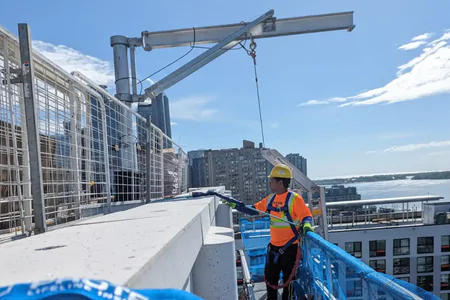
- Access setup: crews install scaffolding, boom lifts or swing stage rigging along with overhead protection for people below.
- Repairs and inspections: the engineer reviews the work at key stages before areas are closed up.
- Closeout: final walkthrough, deficiency list and warranty documents for your records.
On our high rise and low rise projects, steps 4 and 5 make the biggest difference to how residents feel about the work. At The Quay on Queens Quay, our crews combined swing stages, boom lifts, scissor lifts and rope access to seal precast panels and windows across a high rise complex. At Mandalay, we rebuilt flashing and concrete surfaces so an Emseal expansion joint could seal properly between a new building and an existing one, then protected it with new flashing to keep water from sitting on the joint.
Who pays for structural repairs in an Ontario condo?
Major repairs to common elements are normally paid from the reserve fund, which exists for exactly this purpose. Balconies are often exclusive use common elements, so responsibility for specific items depends on your condo’s declaration. If the fund falls short, boards may turn to a special assessment or a loan. Your condo lawyer and property manager can confirm what applies to your building.
Can residents stay in the building during restoration?
Yes, in almost every case. Residents usually stay home while crews work outside. Expect some noise during working hours, temporary balcony closures and parking changes during garage work. Good contractors post schedules, protect entrances and keep walkways clear.
Restoration contractor vs engineer: who does what?
- The engineer diagnoses the problem, designs the repair and reviews the work for the board.
- The restoration contractor carries out the repair safely, manages access and crews, and delivers the result on schedule.
The best projects have both worked closely together from day one. That is how we prefer to work.
How do you choose a Structural Restoration contractor in Toronto?
Price matters, but it should not be the only filter. When comparing building restoration companies in Toronto, ask each bidder these questions:
- Can you show similar projects on buildings like ours, with references?
- Are you licensed and insured, and can you provide WSIB clearance?
- Which access equipment will you use, and who is trained to operate it?
- How will you protect residents, cars and entrances during the work?
- Who is the site supervisor, and how often will we get updates?
- What warranty do you provide on materials and workmanship?
Quick Tip: Ask how the contractor handles hidden conditions. Once concrete is opened up, crews often find more damage than expected. A clear unit price for extra repairs protects your budget.
As a member of the Toronto Construction Association, we work alongside engineers and building management on every project, and we are always happy to walk your board through a scope before the tender goes out.